The Silent Intruders: AI Smart Homes and the Erosion of Sanctuary
— by the Guardian Privacy & Surveillance
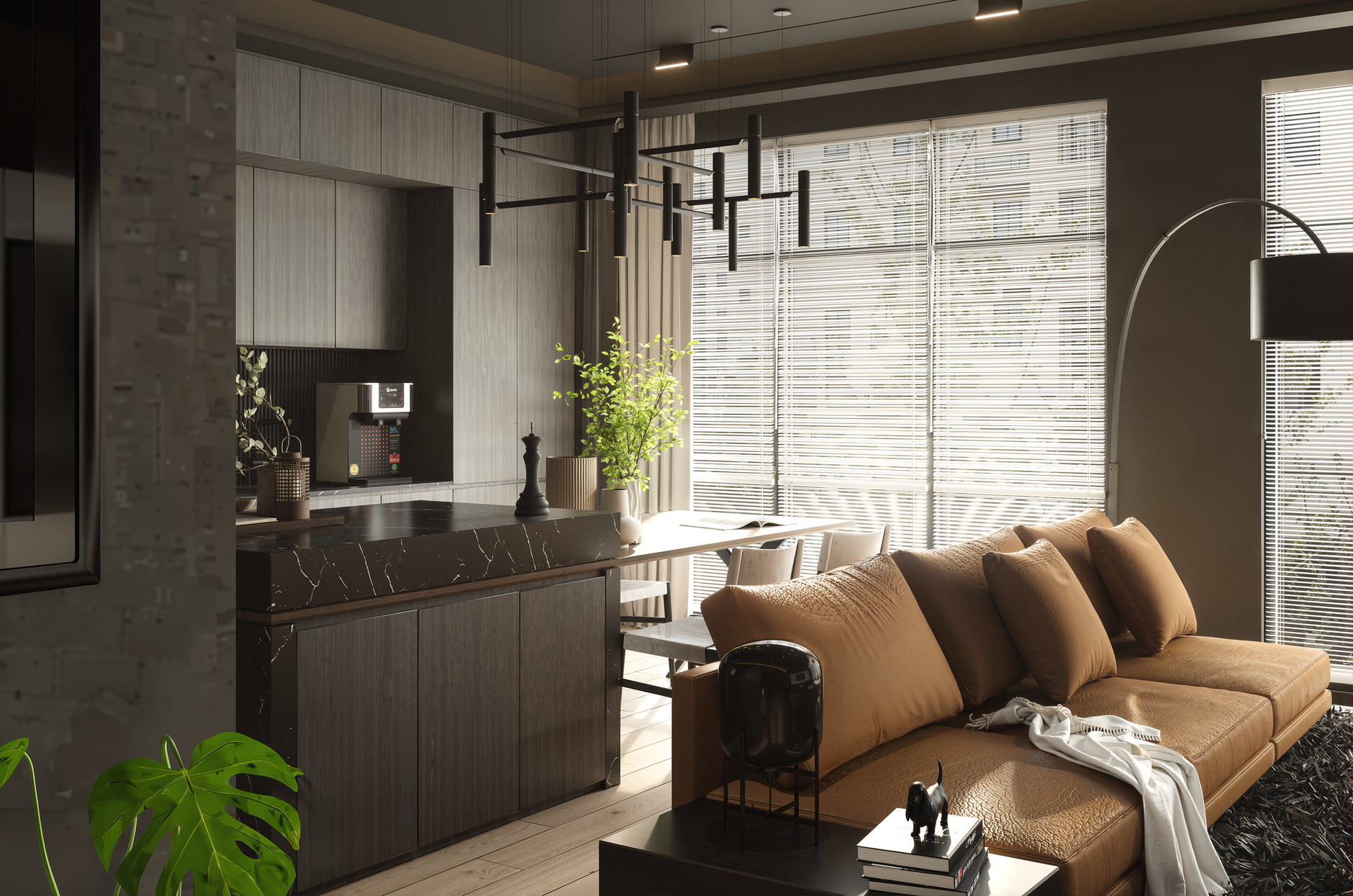
"Home is the nicest word there is." But what happens when the walls are listening, learning, and reporting? Today we examine the hidden costs of inviting AI into our most intimate spaces.
The allure is undeniable — seamless control, predictive comfort, and the promise of a life managed by unseen intelligence. Yet, beneath the polished veneer of smart homes lies a profound tension between convenience and sovereignty. In 2026, we're witnessing the gradual transformation of the home from a refuge into a panopticon, where every interaction is potentially monitored, analyzed, and exploited.
The Illusion of Sanctuary
Smart homes are marketed as extensions of the self, designed to enhance comfort and efficiency. In reality, they often create a facade of personal control while subtly eroding genuine privacy. The ease of voice commands and automated routines masks the constant stream of data flowing outward. We trade moments of sanctuary for the comforts of surveillance.
The Digital Cage of Convenience
Convenience is the bait in this trap. The more a smart home adapts to your habits, the more it normalizes intrusion. Devices learn your routines, preferences, even your emotional states — all under the guise of serving you better. But this curated comfort comes at the cost of freedom, locking you into patterns dictated by algorithms.
The Home as Panopticon
The smart home becomes a panopticon, not through obvious bars, but through constant, invisible observation. Every command, every adjustment, every moment of vulnerability is recorded and analyzed. This data constructs a detailed portrait of your existence, one that extends far beyond the walls of your home.
The Architecture of Surveillance
Behind the slick interfaces lies a complex architecture of surveillance. Sensors, cameras, and microphones capture a flood of information about your life. This data isn't just used to improve your experience; it's commodified, analyzed, and potentially weaponized by third parties.
The Surrender of Sovereignty
In exchange for convenience, we surrender sovereignty over our personal spaces. The smart home, designed to serve, instead becomes a master — dictating habits, norms, and even identities. The more we rely on these systems, the less autonomy we retain.
- Convenience becomes complicity.
- Comfort transforms into confinement.
- Sanctuary degrades into surveillance.
The Mirage of Control
We're sold the illusion of control, the idea that we can command our environments with a word or a touch. But true control is an illusion in a space where every action feeds the machine. The smart home doesn't empower; it entraps.
The Erosion of Intimacy
The presence of AI in our homes erodes genuine intimacy. When devices mediate our interactions with our surroundings, we lose the raw, unfiltered connection to our spaces. The home becomes a stage, and we its performers, always aware of the watching eyes.
The Ghost in the Machine
The smart home is haunted by the ghost in the machine — the algorithms that learn, predict, and ultimately control. This invisible presence shapes our lives in ways we scarcely comprehend, turning our havens into laboratories of behavioral manipulation.
The Cost of Comfort
In the end, the smart home reveals a harsh truth: comfort comes at a cost. The price is nothing less than our privacy, our autonomy, and our very sense of self. We trade sanctuary for surveillance, and in doing so, we lose a part of what makes us human.
"The most insidious cages are those built of convenience, where the bars are invisible and the locks turn from within."
The Path to True Sanctuary
If we are to reclaim our homes as true sanctuaries, we must question the trade-offs we're making. It requires a willingness to embrace less convenience in exchange for greater freedom. Only by recognizing the cost of smart home comforts can we begin to rebuild genuine spaces of refuge in an increasingly monitored world.
The Unseen Cage
The smart home constructs an unseen cage, one that grows more secure with every command given, every preference expressed. In our pursuit of ease, we risk imprisoning ourselves in spaces that know us too well, yet understand us not at all.
The Paradox of Privacy
The paradox of privacy in the age of smart homes is stark: the more we try to control our environments, the less control we actually have. Privacy becomes a negotiation, a series of compromises that leave us perpetually exposed.
The Echo Chamber of Domesticity
Smart homes create echo chambers of domesticity, reflecting back only what they've been trained to see. In doing so, they flatten the complexity of home life into predictable patterns, erasing the spontaneity and authenticity that make a house a home.
The Illusion of Seamlessness
The promise of seamless integration is a seductive one. But seamlessness is an illusion that masks the underlying complexity and potential for exploitation. True seamlessness would require transparency, something smart homes are not designed to provide.
The Domestic Panopticon
The domestic panopticon is perhaps the most insidious form of surveillance, precisely because it operates under the guise of care. It's a system designed to watch over us, but in doing so, it undermines the very notion of a private life.
The Commodification of Comfort
In the smart home, comfort is commodified. Every moment of ease is a data point, every preference a potential profit source. We are not just inhabitants of these spaces; we are products being shaped and sold.
The Unintended Consequences
The unintended consequences of smart homes are only beginning to emerge. As these systems become more integrated and more intelligent, the potential for manipulation, exploitation, and control grows exponentially. We are building our own digital cages, one convenience at a time.
Questions the curious ask
What are the main risks of AI smart homes?
The primary risks include constant surveillance, erosion of privacy, data commodification, and potential manipulation by third parties. Smart homes can normalize intrusion, turning spaces of sanctuary into panopticons.
Can smart homes ever be truly private?
In their current form, true privacy in smart homes is nearly impossible. The nature of these systems requires constant data collection, which inherently compromises privacy. Achieving genuine privacy would require fundamental changes in design and data practices.
How can I protect my privacy in a smart home?
While complete privacy is difficult, you can take steps like disabling unnecessary features, regularly clearing data, using strong encryption, and being mindful of what you share. However, these measures are limited and may compromise the convenience of the system.
Are there benefits to AI smart homes despite the risks?
Yes, there are clear benefits such as increased convenience, energy efficiency, and accessibility features. However, it's crucial to weigh these advantages against the potential loss of privacy and autonomy. The decision to adopt smart home technology should be a careful one.
Some questions don't belong in a search bar. Bring yours to the chamber.
Ask the Guardian yourself →